https://youtube.com/shorts/MivFHVy4SoQ?feature=share
Final poetry project

https://youtube.com/shorts/MivFHVy4SoQ?feature=share
Final poetry project
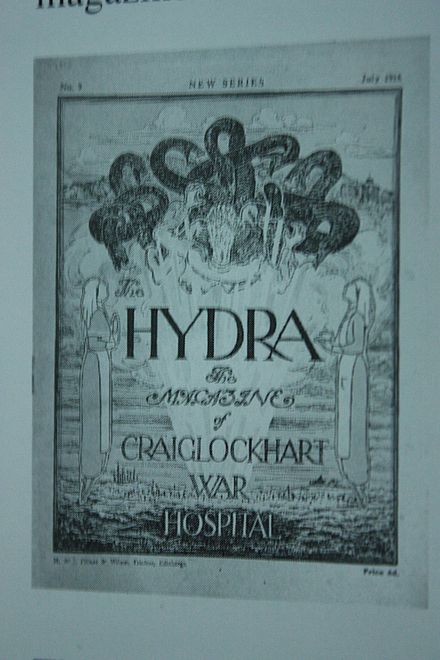
The Hydra was a magazine produced by the patients of the Craiglockhart War Hospital, noteworthy for having been edited at one time by Wilfred Owen, and for including poems by Siegfried Sassoon.[1] The magazine was headquartered in Edinburgh.[1]Another editor was Black Watch officer James Bell Salmond, who went on to be editor of The Scots Magazine and was later the Keeper of Muniments at the University of St Andrews.[2] In 1918 George Henry Bonner became the editor.[1] The magazine ceased publication the same year.[3]
https://en.wikipedia.org/wiki/The_Hydra
While researching for a history class, I located online scans, really interesting…
http://ww1lit.nsms.ox.ac.uk/ww1lit/search?query=the+hydra&collection=1&Search=Go

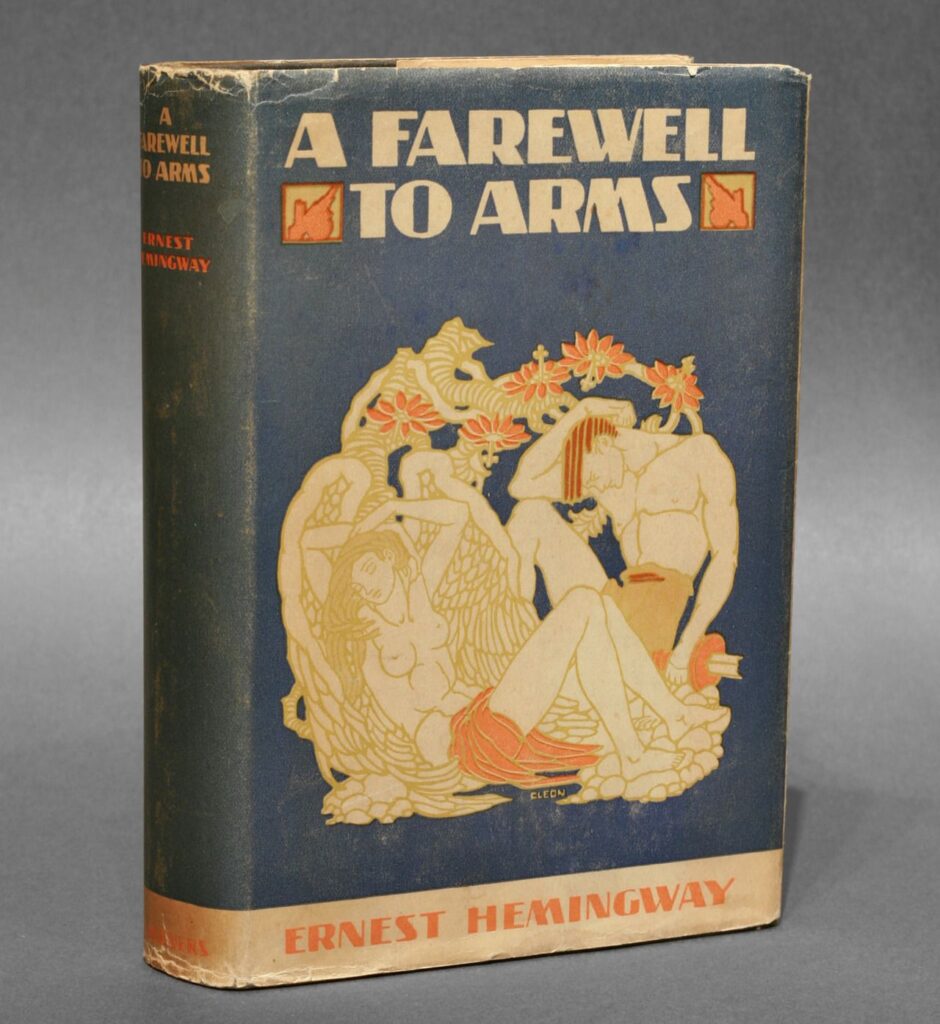
The fact that Hemingway was a really big drinker is no secret. I was reviewing today’s section of A Farewell to Arms and one sentence jumped out at me: “And I’m very brave when I’ve had a drink.” (pg. 122)
This got me thinking about Hemingway’s use of alcohol in his work. I found this interesting article that mentions how alcohol is ” omnipresent throughout the novel” in A Farewell to Arms. This article also pointed out how Frederic’s narration associates drinking with positive characterization.
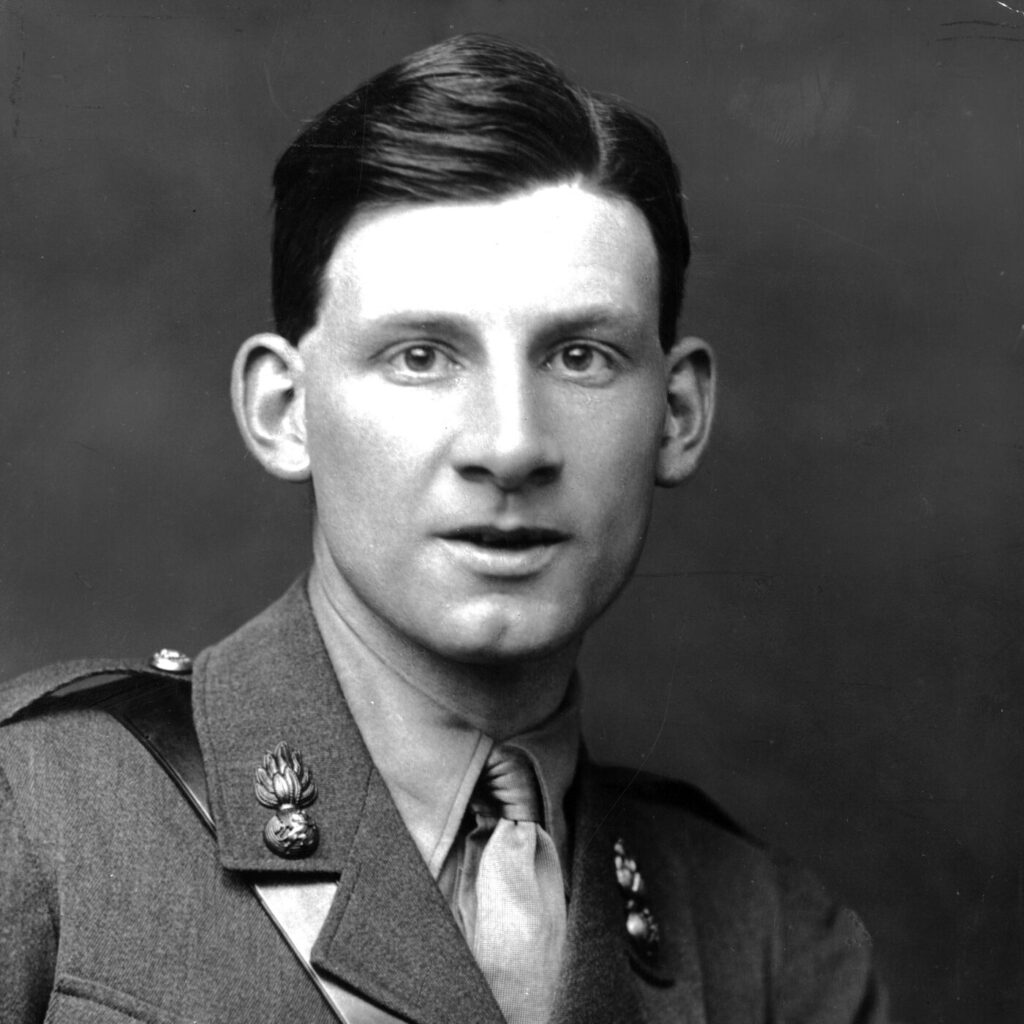
Sassoon wrote his scathing letter criticizing the war in June of 1917 – see link below:
https://en.wikisource.org/wiki/Finished_with_the_War:_A_Soldier’s_Declaration
Sassoon’s letter was forwarded to the press and read allowed in the House of Commons. This letter was seen by some as treasonous and Sassoon was lucky he was not executed. Instead Sassoon was sent to Craiglockhart War Hospital where officers with shell shock would convalesce. Sassoon met fellow patient Wilfred Owen and encouraged him to write poetry. The hospital’s monthly publication, “The Hydra”, contains some of Sassoon’s work. It offers an interesting record of life at the hospital in 1917–18, having been produced by the officers who were being treated there. Sassoon (1886-1967) would live to be 80 but Wilfred Owen was killed at the age of 25 just one week before the Armistice.
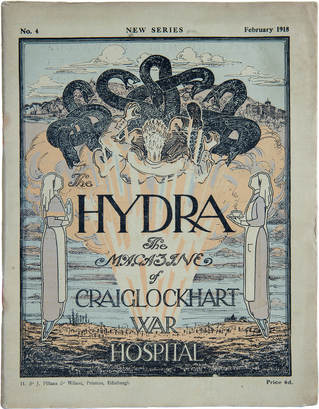
See Link below for free online access to this rare and interesting look at the writing talent of the “Lost Generation.”
Question 1
“In the late summer of that year we lived in a house in a village that looked across the river and the plain to the mountains. In the bed of the river there were pebbles and boulders, dry and white in the sun, and the water was clear and swiftly moving and blue in the channels. Troops went by the house and down the road and the dust they raised powdered the leaves of the trees. The trunks of the trees too were dusty and the leaves fell early that year and we saw the troops marching along the road and the dust rising and leaves, stirred by the breeze, falling and the soldiers marching and afterward the road bare and white except for the leaves.” – A Farewell to Arms pg. 3
This beautifully written first paragraph uses the word “the” 24 times. Hemingway’s language, although simple, has a way of conveying information with distinct visual impressions. Please examine the paragraph and list the things Hemingway has imparted to the reader in this vivid classic opening. What is your impression of Hemingway’s unique straightforward writing style?
Question 2
Hemingway uses the natural occurrence of rain as symbolic. Examine his use of rain in book one of the text. What does it stand for? Can you identify any other references to nature that also might contain a deeper meaning? What is your interpretation?
Question 3
How does Hemingway convey his personal views of this war in Book one? Please share some textual examples (with page numbers) to “back-up” your answers.
Bonus questions:
A-Hemingway waits until chapters six and seven to reveal Lieutenant Frederic Henry’s full name. What does this tell us about how Hemingway views our protagonist?
B-Hemingway likes his dichotomies. Have you found any in book one of A Farewell to Arms? What is he trying to convey?
C-Frederic and Catherine declare their love for each other then abruptly acknowledge it is just a game. (26-27) What is Hemingway saying about the nature of wartime romances?
-P.G. Wodehouse

Hemingway is a favorite of mine so in January I signed up for next week’s reading questions. I have read several of his works and my favorite is A Moveable Feast. I think it is the ultimate relaxing read. He tells us all about life in Paris in the 1920’s. One of things I love so much about Hemingway’s work is how he takes the mundane in our daily lives and captures it so vividly with words that “life becomes art.”
Ken Burn’s did a great job with his three part documentary that explores Hemingway’s fascinating life. If you have a way to access PBS, it is well worth watching.
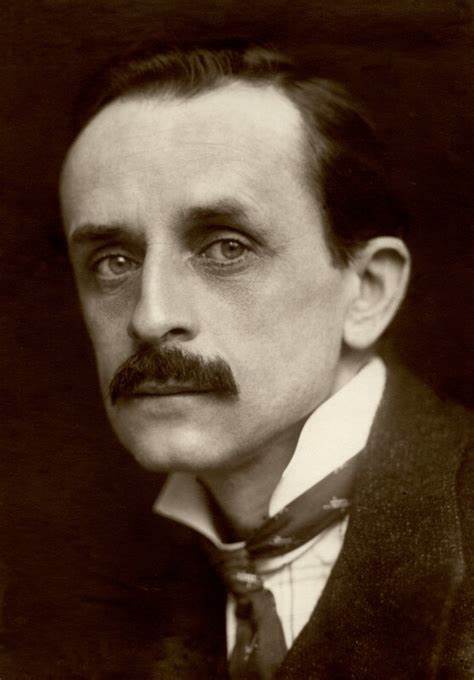
This weeks story “The New Word” was somewhat unique and I decided to do some research into the man who wrote Peter Pan.
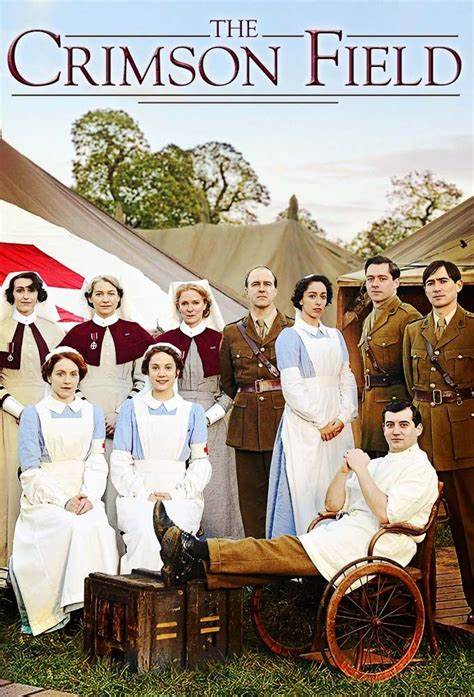
This series depicts WWI nurses and the challenges they faced. As I watched it again this weekend, I was struck how many of the its characters remind me of the VAD nurses in Not So Quiet. If you have a PBS Masterpiece subscription, it is a featured selection. Incidentally, the main character, Kitty Trevelyan, is played by Oona Chaplin who is the granddaughter of Charlie Chaplin.

The first time I read Not So Quiet it was quite a shock. The portion of the text assigned for this Thursday 1/27 makes several excellent points about the hardships British VAD (Volunteer Aid Detachment) nurses had to endure. While the work is fiction, Smith, who’s real name was Evadne Price, does not shy away from drawing on the emotional whirlwind that wartime nurses experienced. Price, an Australian who served in the Air Ministry from 1917-1918 expresses visceral and tragic feelings about the war in her prose.
Price’s use of nicknames for the various nurses is an excellent way of making her characters accessible as well as somewhat likable, with the exception of Mrs. B—-, of course! One of the best aspects of this work is its candor. The work opens with references to the food shortages, biting cold, and chronic sleep depravation. The portions about lice and the filth the nurses must deal with are shocking but rigorously authentic.
One of the most engaging things about Not So Quiet is how Price writes with such raw emotion. She is not afraid to tap into the hatred the protagonist feels for her parents and those at home in England who have no idea about the extent of human suffering happening just across the Channel. Helen’s resentment and anger over the harsh conditions is also something the author is very comfortable divulging to the reader.
Did the nature of Not So Quiet surprise you? Where you expecting something very different? What do you think about it so far?

The film Paths of Glory is based on a 1935 book by Humphrey Cobb. Cobb (1899-1944) an Italian-born, Canadian-American screenwriter and novelist had served in the World War I Canadian army at the age of 17. Cobb kept a wartime diary and utilized his recollections when writing Paths of Glory.[1] His disgust and disillusion are heavily reflected in the work. The title of the novel comes from Thomas Gray’s 1751 poem Elegy Written in a Country Churchyard. Paths of Glory is based on the Souain corporal’s affair that occurred on March 17, 1915. The choice to set the novel within the French army was purposefully done by Cobb as he felt they had been “poorly led” by commanders and were needlessly slaughtered in futile quests for small patches of territory.[2] The “ant-hill” mentioned in the film is called “the pimple” in the novel.
Kirk Douglas gives a stellar performance in the 1957 film as Colonel Dax. Stanley Kubrick, who would go on to become an acclaimed director of such films as “The Shining”, directs. Douglas’ 1988 bestselling autobiography, The Ragman’s Son, tells how he felt so moved by Cobb’s book that he provided thousands of dollars out of his own pocket to support the project. Kubrick, Jim Thompson, and Calder Willingham were all screenwriters working on the project which re-wrote the character of Colonel Dax with Douglas in mind. The novel has Dax as a minor character that equivocates in his support of the men but the film does not. The novel also includes Colonel Etienne, who is the legal representative for the accused. Kubrick’s script eliminates him entirely. Another interesting fact is that Kubrick and his writers instigated further changes that had the film ending happily. The “happy-ending” script was vehemently rejected by Kirk Douglas which caused conflict with Kubrick. Douglas is said to have yelled: “I got the money based on the original script. Not this shit. We’re going to do the original script or we’re not making the picture.”[3] Douglas’ determination to portray the harsh reality of an injustice pays off in the emotionally charged finale which evokes tremendous empathy.
Adolf Menjou, the actor who plays General Broulard, was himself a World War I veteran and had misgivings about portraying the effete officer. George Macready, playing the part of the sinister General Mireau, actually had a severe facial scar from an automobile accident while still in college. Macready’s badly damaged face was stitched by the only available medical practitioner, a veterinarian. The only female actress in the film is Christiane Harlan, a German singer and dancer who later became the third wife of Stanley Kubrick. They remained married for 40 years until his death in 1999.
The film was shot in Munich in just 64 days and cost less than one million dollars to make. The choice to shoot this film in black and white enhances the main themes of despair and desolation. Paths of Glory was released in October of 1957 and enjoyed only moderate success in the United States. The most interesting thing about this film is its enduring message. The film has become a classic in its depiction of the ineptitude of French high command and the sacrifice enlisted men were expected to make without question. The mutinies of French soldiers in May of 1917 after the disastrous Nivelle Offensive are an example of the average soldier’s response to the incompetent military bureaucracy that was French high command. The film would be almost comical if it were not historically accurate. Instead Paths of Glory is heartbreaking.
Works Cited
Cobb, Humphrey. Paths of Glory. London, Penguin, 2011.
FOOTNOTES
[1] Humphrey Cobb, Paths of Glory (New York: The Penguin Group, 2010), xxv.
[2] Cobb, Paths of Glory, xx.
[3] https://www.military-history.org/articles/war-on-film-paths-of-glory.htm
I pledge……….